History
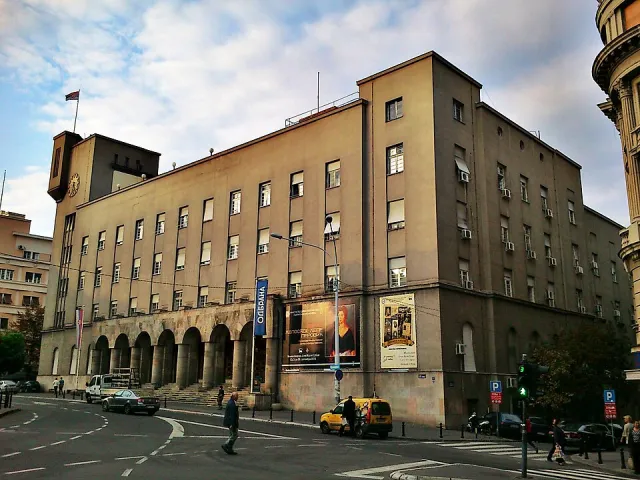
The Belgrade City Library was founded on 11 January 1931, becoming the first truly modern city library in Belgrade, even though the city had had its own reading room before then. In 1994 it was granted the status of central library for the entire territory of Belgrade, taking on the role of coordinating the work of all the municipal libraries in the city.
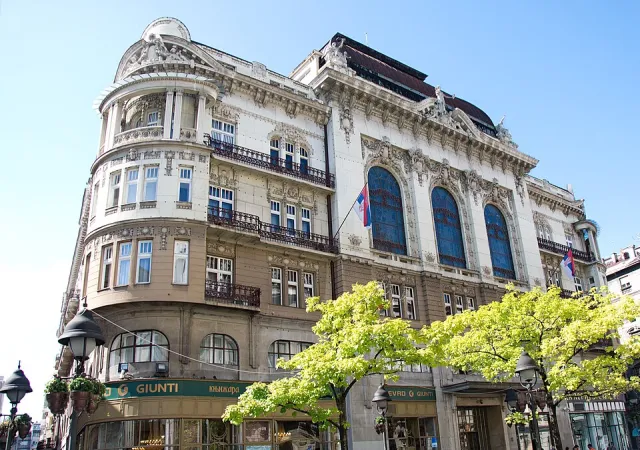
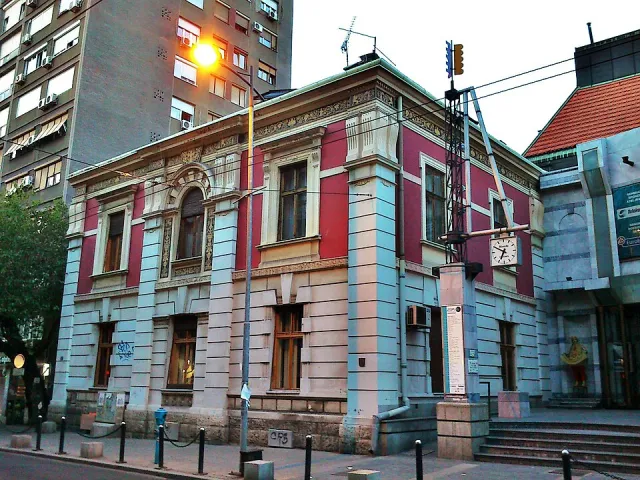
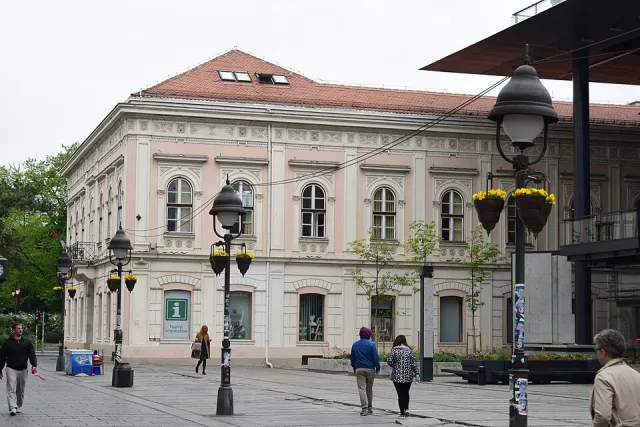
The building it occupies today, on the corner of Knez Mihailova Street, was not built to house a library. It was erected around 1867 as the "Srpska Kruna" (Serbian Crown) hotel, most likely on the initiative of the Krsmanović merchant family, and in its day it was regarded as one of the most impressive and best-equipped hotels in the Belgrade of the time. The library only moved in during 1986, following an extensive renovation.
It was during that very renovation, between 1983 and 1986, that workers uncovered the remains of a Roman military fortification beneath the building. The discovery altered the original plans, so instead of the intended storage space in the basement, the so-called Roman Hall was created, where the remains of the castrum dating from the 2nd to the 4th century are preserved in situ and are accessible to visitors today.
Architecture and significance
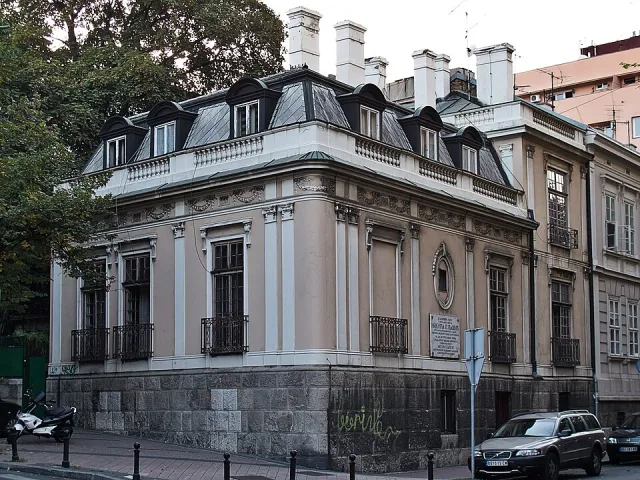
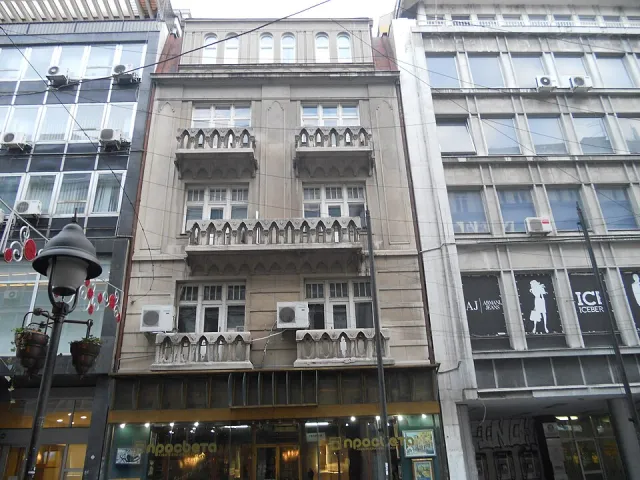
The building's façade bears the stamp of Eclecticism, with elements of Renaissance and Romanticism that were popular in Belgrade architecture of the second half of the 19th century. Its distinctive features include arched windows with rich stucco decoration, two balconies enclosed by wrought iron, and a pronounced, ornate roof cornice.
Today the library holds nearly 1,800,000 books and other items and counts more than 100,000 members, and it comprises as many as 78 facilities across the city – the central building on Knez Mihailova and 13 municipal libraries with a total of 52 branches. It was also the first public lending library in the country to introduce computerized operations, back in 1986, and today it offers part of its collection in digital form, available online.
Good to know
Anyone strolling along Knez Mihailova Street could easily pass by the library without realizing that its façade once concealed one of Belgrade's most elegant 19th-century hotels. It is also worth stopping by the Roman Hall in the basement – a rare case in which an archaeological find from antiquity is preserved literally beneath a reading room, on the very spot where a Roman military camp once stood.