History
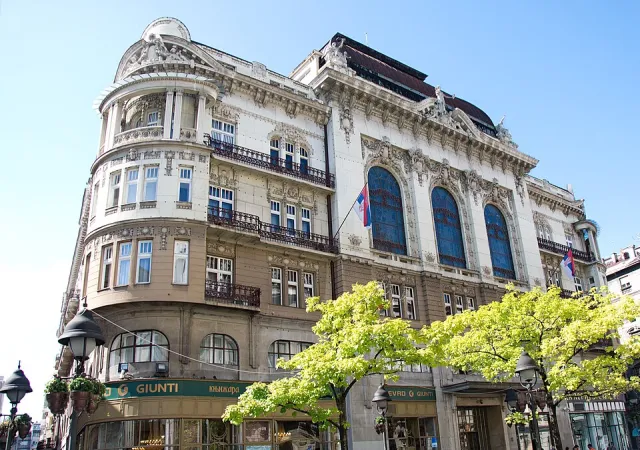
The foundation stone for the building was laid on 27 March 1914, and construction — despite all the interruptions brought by that turbulent era — was completed in 1924. The design was signed by architects Dragutin Đorđević and Andra Stevanović, who envisioned an imposing edifice intended not for one, but for three institutions: the Serbian Royal Academy, the Museum of the Serbian Land, and the National Library.
Ironically, when the building was finally finished, the Academy could not move in right away. For years the space was leased out for business and storage use, so it waited nearly three decades to serve the purpose for which it was conceived. Only on 24 February 1952, following an extensive interior renovation carried out between 1947 and 1952 by architect Grigorije Samojlov, did the building officially become home to the Serbian Academy of Sciences and Arts.
Architecture and significance
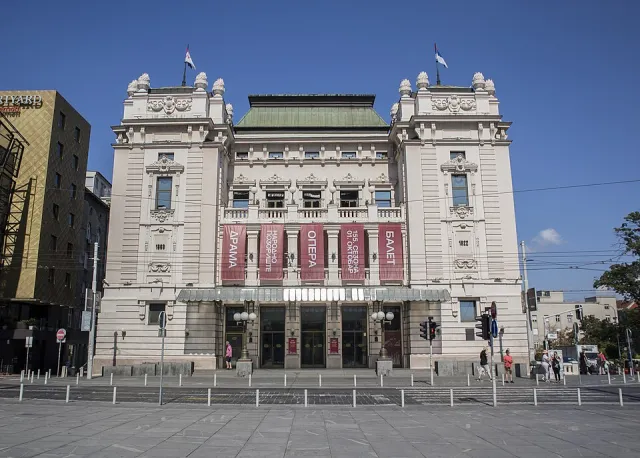
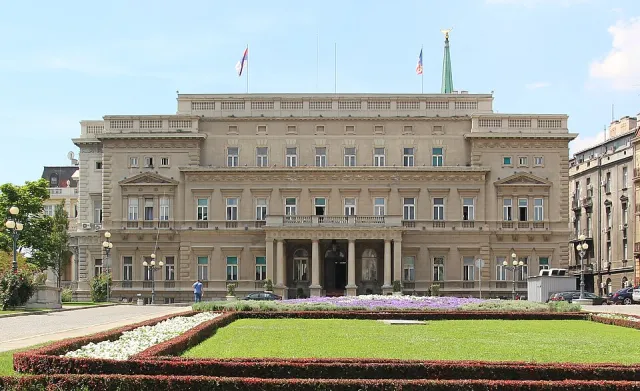
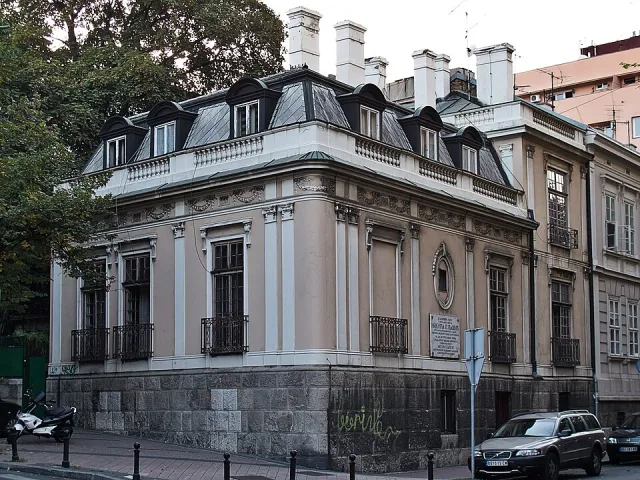
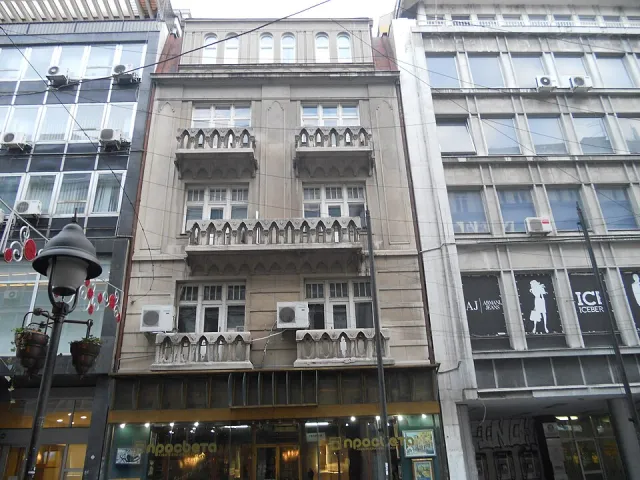
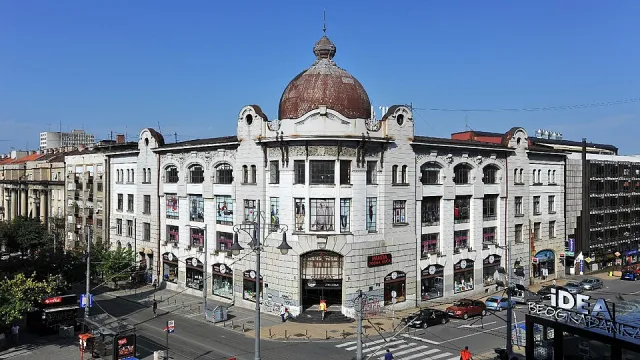
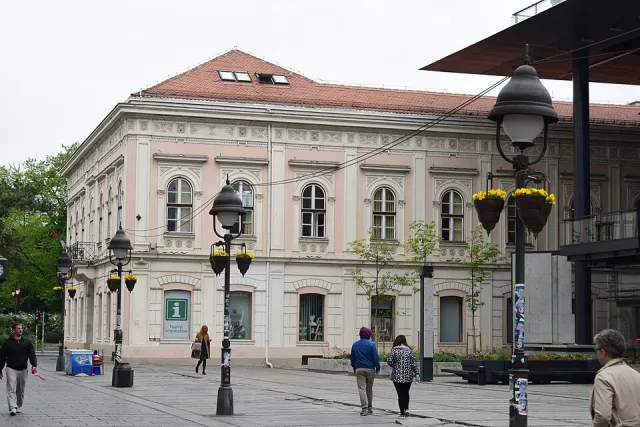
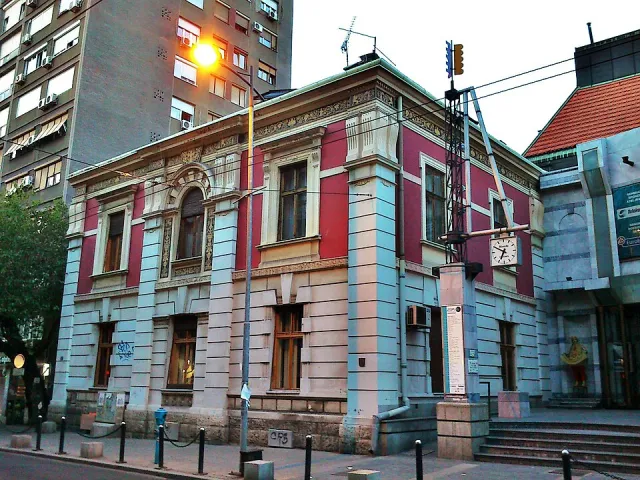
The palace facade is a little monument to the taste of its time — richly decorated, with rounded corners and Art Nouveau details that blend Serbian and French sensibilities of early 20th-century architecture. Such lavish treatment of the frontage sets the building apart from its neighbours on Knez Mihailova and makes it one of the most recognisable settings along this pedestrian zone.
In 1992 the building was officially proclaimed a cultural monument, confirming its importance to Belgrade's architectural heritage. Today it houses the governing bodies and organs of the SASA, and renovation works on the structure have been announced since 2023.