History
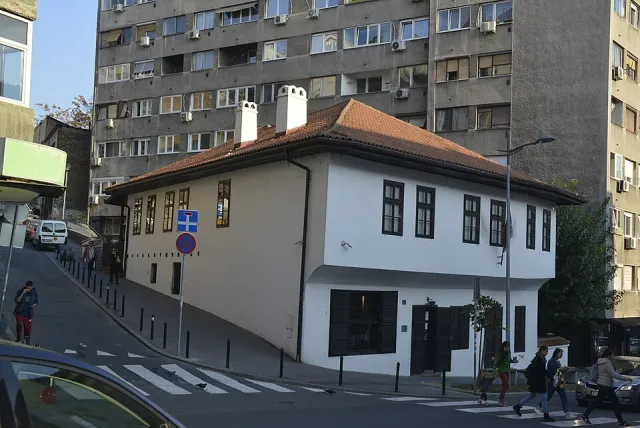
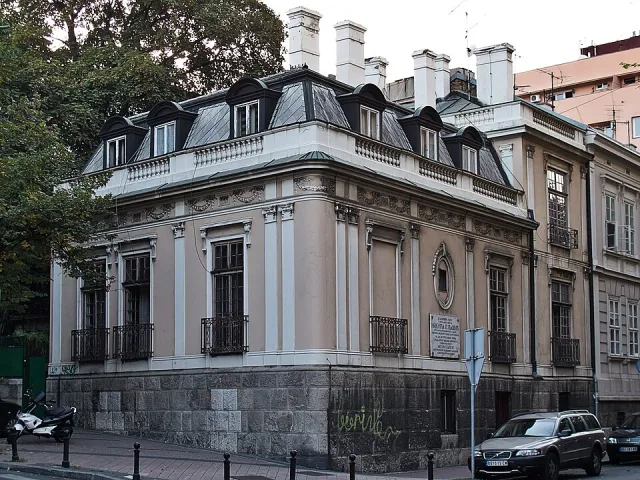
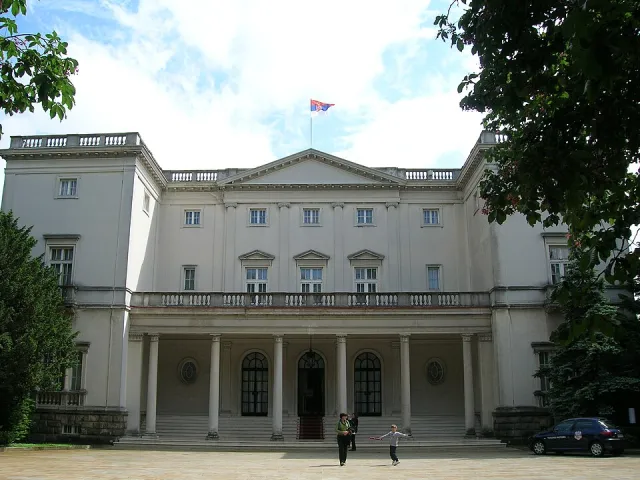
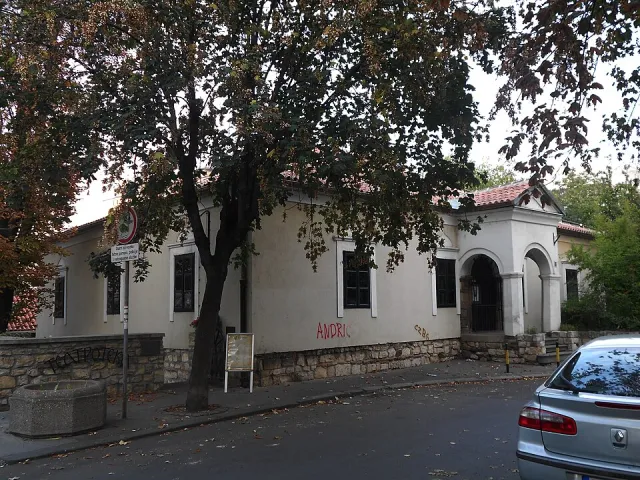
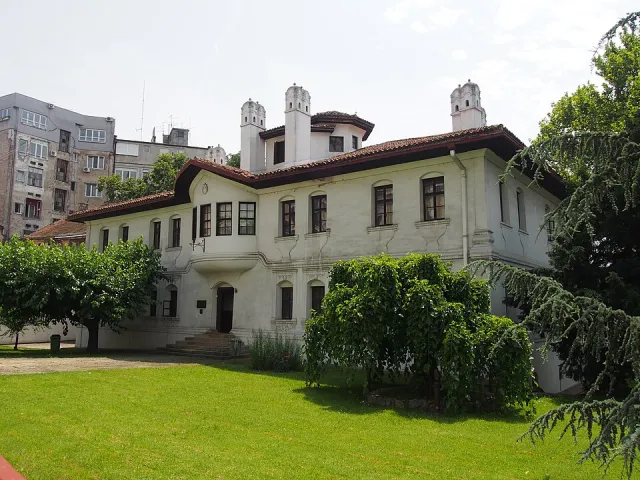
Princess Ljubica's Residence was built in the late 1820s on the orders of Prince Miloš Obrenović, as a home for his wife Princess Ljubica and their sons. Construction was overseen by the master builder Hadži-Nikola Živković, and somewhat later, in the mid-1830s, a bathhouse (hamam) was added to the residence — a level of comfort rarely seen in the Belgrade of that time. In a letter from 1830 the princess herself mentioned moving into the new home, which shows just how important the building was to the newly established ruling family.
Over the following century the building changed purpose more often than one would expect of a residence: at various times it housed a lyceum, a grammar school, a court, and even a school for children with hearing impairments. Such a fate is not unusual for the oldest example of townhouse architecture in Belgrade — the city grew, and its old palaces were adapted to the new needs of administration and education.
Architecture and significance
What makes the residence special is the blend of two worlds in a single façade: the layout of the rooms still follows the Oriental, bazaar-style manner of building, while the exterior features European decorative elements such as elongated windows and semicircular bay windows. For precisely this reason, architectural historians regard it as a turning point — the moment when Belgrade began to abandon its Oriental appearance and turn toward Central European models.
Today the building is part of the Belgrade City Museum and houses a permanent exhibition that evokes the way of life of a genteel Belgrade family from the first half of the 19th century — from furniture and articles of clothing to interiors arranged in the spirit of that age.