History
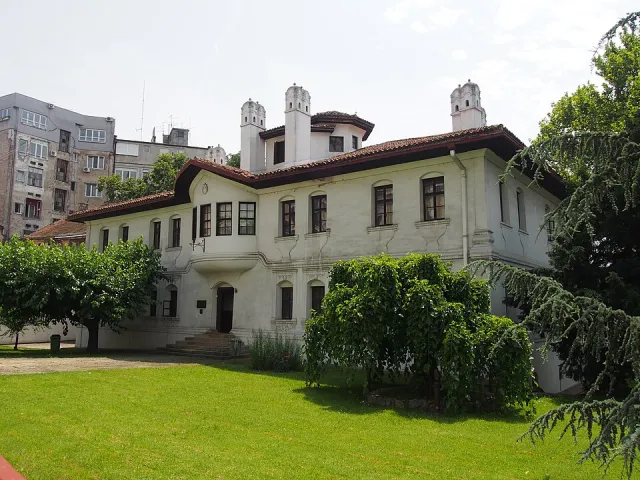
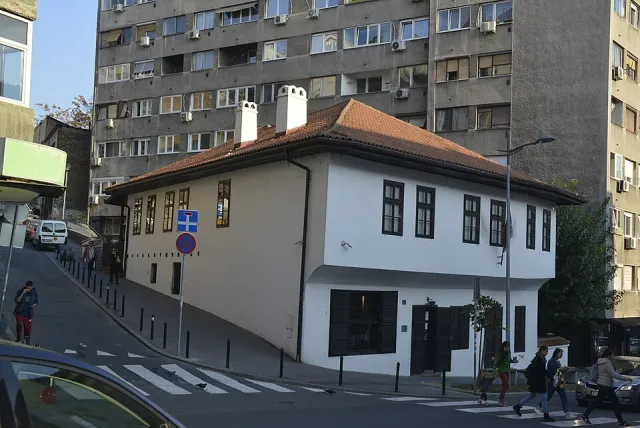
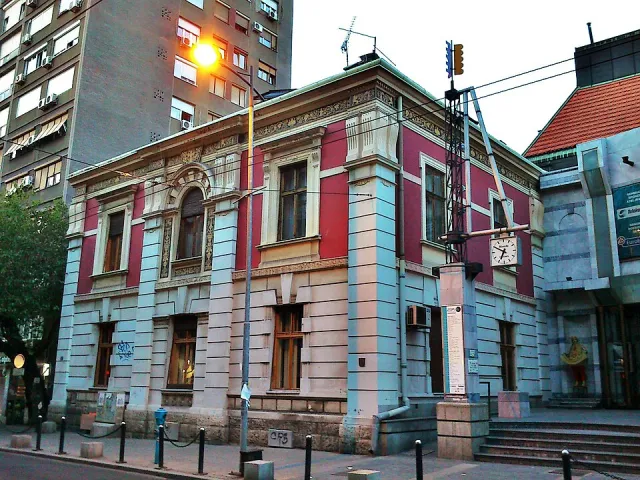
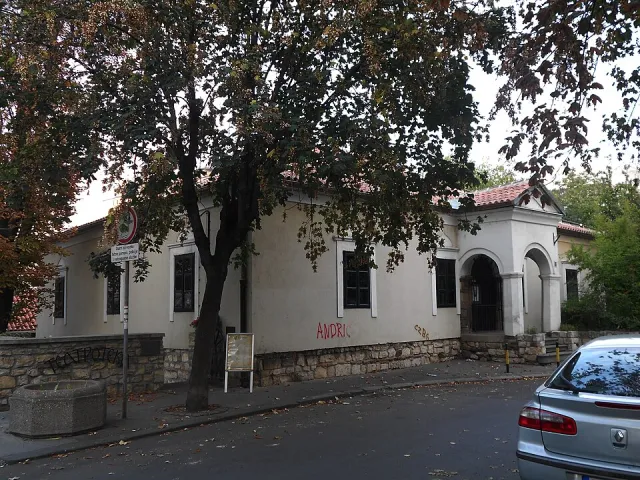
Božić House was built in 1836 on Gospodar Jevremova Street, in the heart of the Old Town, for the Belgrade merchant Miloje G. Božić. His likeness and that of his wife, Milica, have survived to this day thanks to portraits painted in 1841 by Jovan Popović, so we know exactly what the people for whom this house was once a home looked like.
Over time, the house served many different purposes. Until 1920 it belonged to Rista Hadži Popović, after which it was used for around thirty years as a painter's studio. Since 1951 it has housed the Museum of Theatre Arts, giving the building a lasting cultural role.
Architecture and significance
The house is regarded as an example of the transitional type in 19th-century Belgrade architecture, blending elements of the Turkish and European building traditions. A particularly notable feature is the divanhana, a room inherited from the Ottoman period that was once a common part of Belgrade houses but is a rarity today.
Because of its value, Božić House is protected as an immovable cultural asset, ranked as a cultural monument of great importance. Together with the neighbouring 18th-century Turkish house that holds the Museum of Vuk and Dositej, it shares a single courtyard, so this small ensemble on Gospodar Jevremova Street feels like a living picture of old Belgrade.
Good to know
If you happen to be walking down Gospodar Jevremova Street, it is worth pausing to look at the courtyard that Božić House shares with the Museum of Vuk and Dositej — two different eras of Belgrade architecture in one place.