History
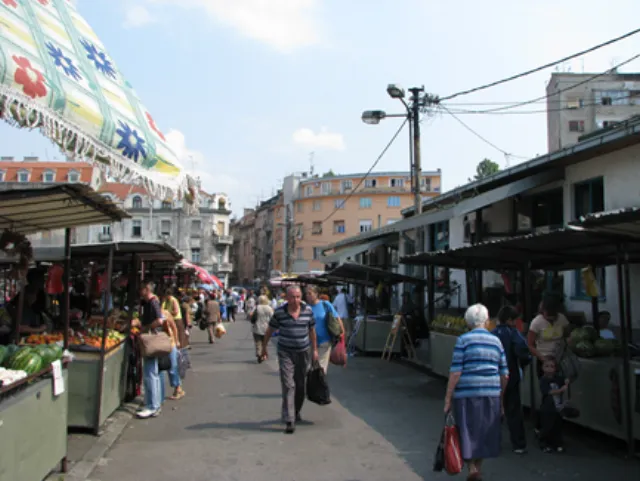
The first records of residents on this small street in the centre of Belgrade date back to 1825, and it appears on the city map in 1854. It was once called Ciganska Mala (the Gypsy Quarter), and it received its present name, Skadarlija, only in 1872.
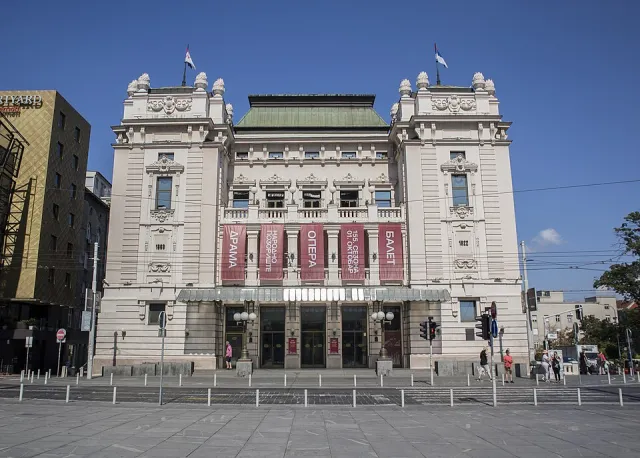
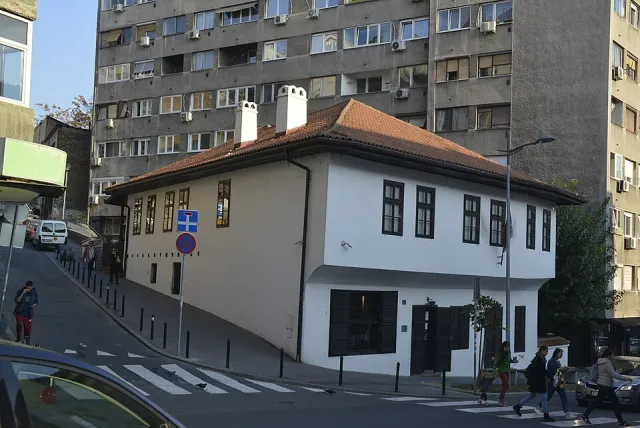
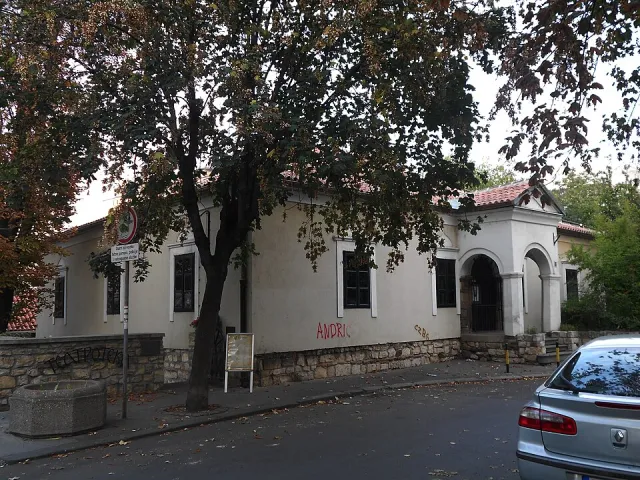
Its proximity to the National Theatre and Republic Square drew actors, writers and artists here from the second half of the 19th century, so the street gradually grew into a true bohemian quarter. The oldest surviving building is the Štih House at 31 Skadarska Street.
During the Yugoslav Exhibition of 1904, guests in the taverns of the time were entertained by Jovan Cvijić, Branislav Nušić, Simo Matavulj and Mile Pavlović Krpa, and the unification of the South Slavic peoples was also discussed here. In 1978, Skadarlija was officially twinned with Montmartre in Paris, with which it shares a bohemian spirit.
Today and its sights
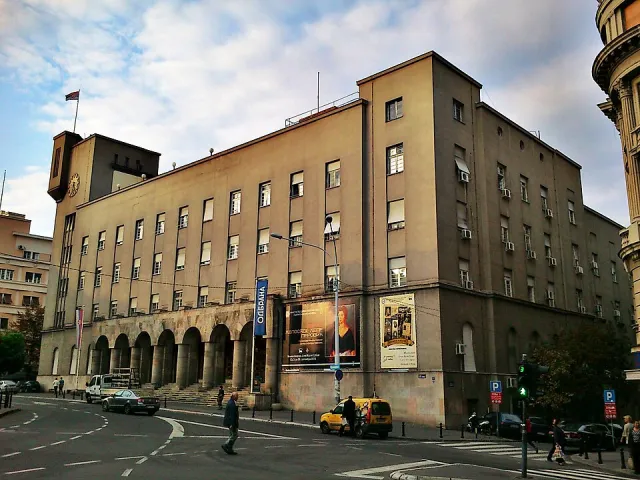
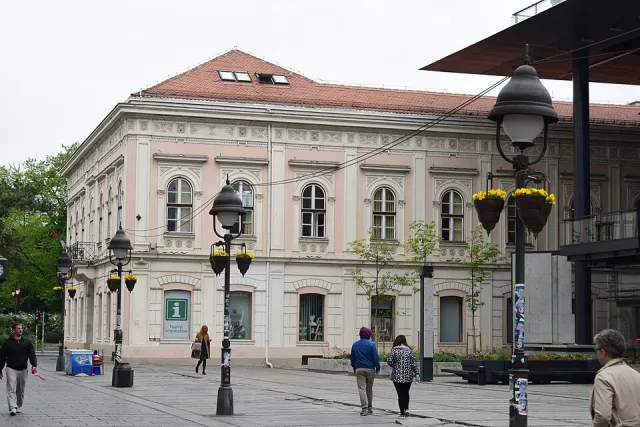
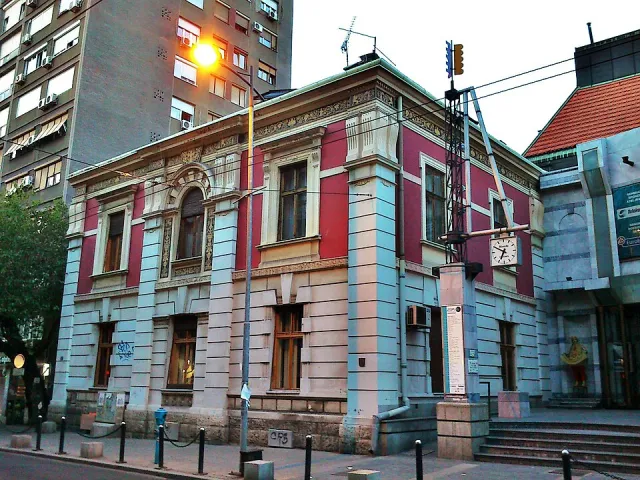
Skadarlija is about 590 metres long and between 10 and 14 metres wide, running from Bulevar Despota Stefana to Strahinjića Bana Street, in the municipality of Stari Grad. The cobblestones and old façades still preserve the atmosphere of the old Belgrade marketplace.
Besides local creators such as the poet Đura Jakšić, Skadarlija was frequented by writers Bora Stanković and Branislav Nušić, as well as foreign guests such as Ivan Bunin and Hermann Wendel. In October 2023, a monument to the singer Toma Zdravković was added to the street.
Today this is one of the most visited spots in Belgrade, famous for the taverns Tri Šešira, Dva Jelena and Ima Dana, where the tavern ambience is still cherished with live music, traditional cuisine and the bohemian atmosphere of the old town.