History
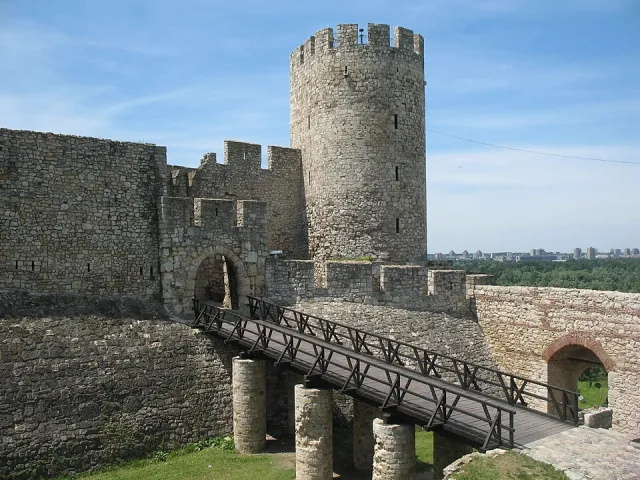
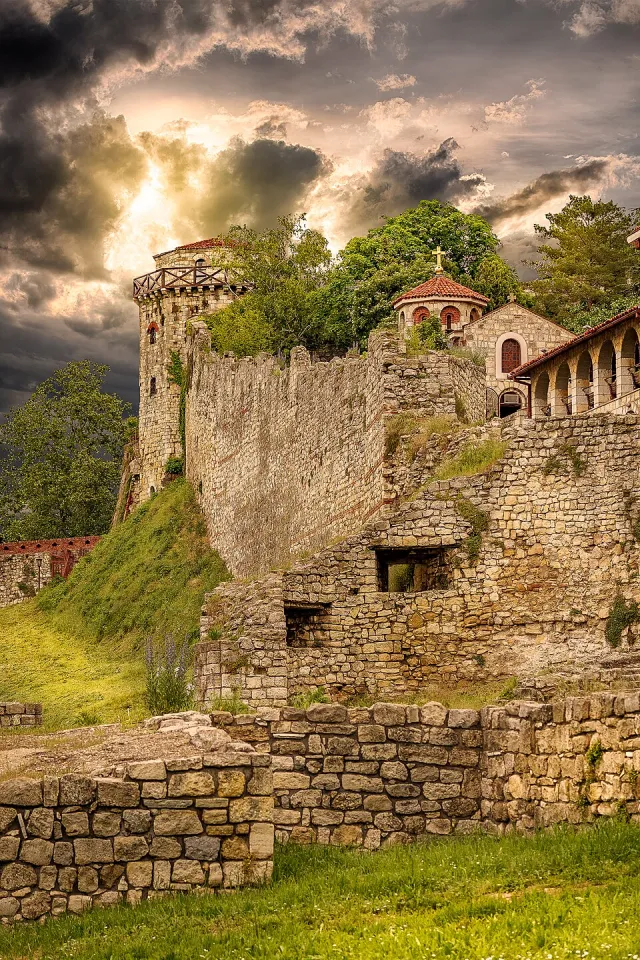
The Jakšić Tower was built of stone and brick in the early second half of the 15th century, at a time when Belgrade was being fortified as a key defensive point on the frontier with the Ottoman Empire. It formed part of the wider rampart ring of Belgrade Fortress and served as a cannon stronghold, able to hold between ten and fifteen guns spread across five floors.
It took its name from the Jakšić family, a Serbian noble house whose story is still recounted through the folk poem "The Division of the Jakšićes" — one of the few threads that connect the tower to a living oral tradition rather than to dry military records alone.
Architecture and significance
The tower has an octagonal ground plan about 4.90 metres in diameter, and each of its five floors had its own gun openings facing the Danube. This layout allowed for layered firepower along the north-eastern stretch of the rampart, which was especially exposed to attacks from the river.
Today the tower plays an entirely different, memorial role — at its base lies an ossuary holding the remains of 3,529 identified and 1,074 unidentified defenders of Belgrade from the First World War. In this way the old military structure was transformed into a place of remembrance for those who fell defending the city.