History
Kalemegdan rises on a ridge about 125 metres high, right where the Sava flows into the Danube in the municipality of Stari Grad. The first fortification on this spot was raised by the Romans in the early centuries AD, as a military camp with earthen ramparts and palisades that later grew into a stone castrum. Its position at the meeting of two great rivers made it strategically invaluable, so it was built and rebuilt for centuries.
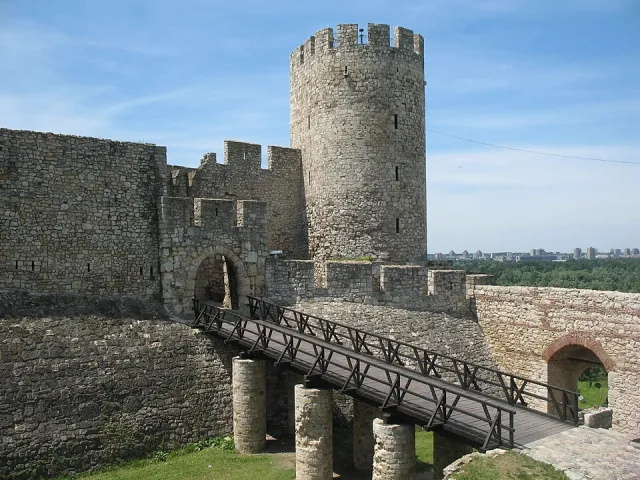
The Byzantines thoroughly rebuilt the fortress in the 6th century, in the time of Emperor Justinian, using white stone for the walls — according to some interpretations, this is the very origin of the name Belgrade (the 'white city'). In the Middle Ages, when the city became the Serbian capital, Despot Stefan Lazarević carried out an extensive reconstruction and expansion of the fortress in the early 15th century, giving it the strength and prestige of a royal capital's stronghold.
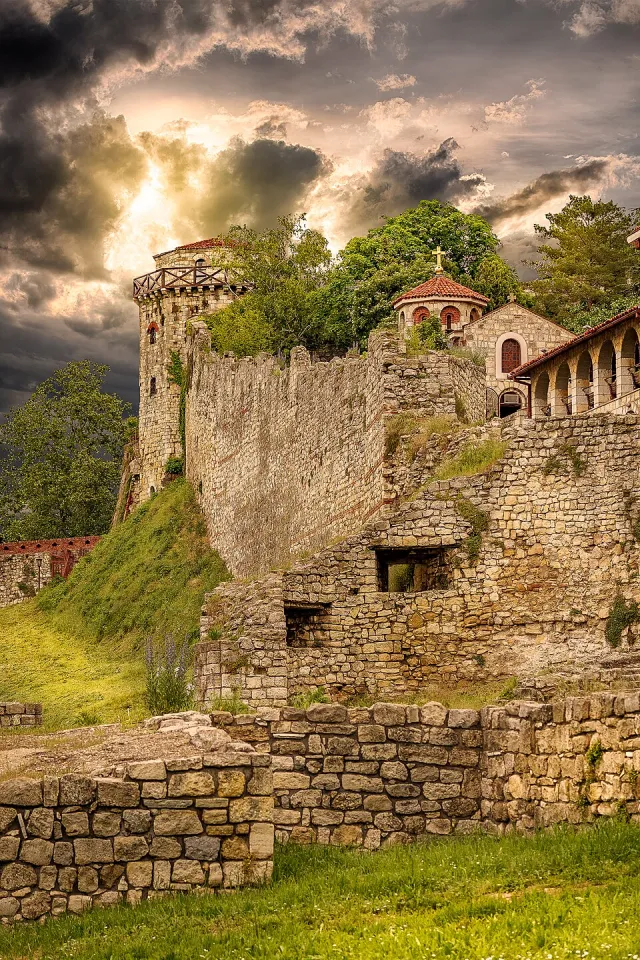
Later the fortress was taken over and extended by the Ottomans and the Austrians, who adapted the ramparts to the new demands of artillery warfare. As a result, today's Kalemegdan is a layered monument in which Roman, Byzantine, Serbian, Ottoman and Austrian traces of construction are interwoven.
From fortress to park
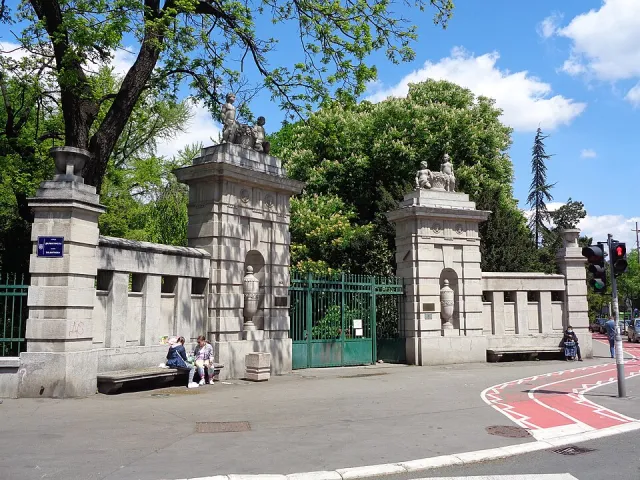
For centuries Kalemegdan was above all a military stronghold, a place for the city's defence and the scene of numerous sieges and battles. Only from 1869 did the grounds gradually lose their purely military purpose and begin to be turned into the city park that the people of Belgrade know and love to this day.
Today Kalemegdan is the most visited tourist attraction in Belgrade and a kind of open-air museum bearing witness to the city's long history. A walk through the complex reveals well-preserved towers such as the Nebojša Tower and the Tower of Despot Stefan, as well as gates — the Despot's Gate, the Zindan Gate and the Karađorđe Gate — that once guarded access to the fortress.
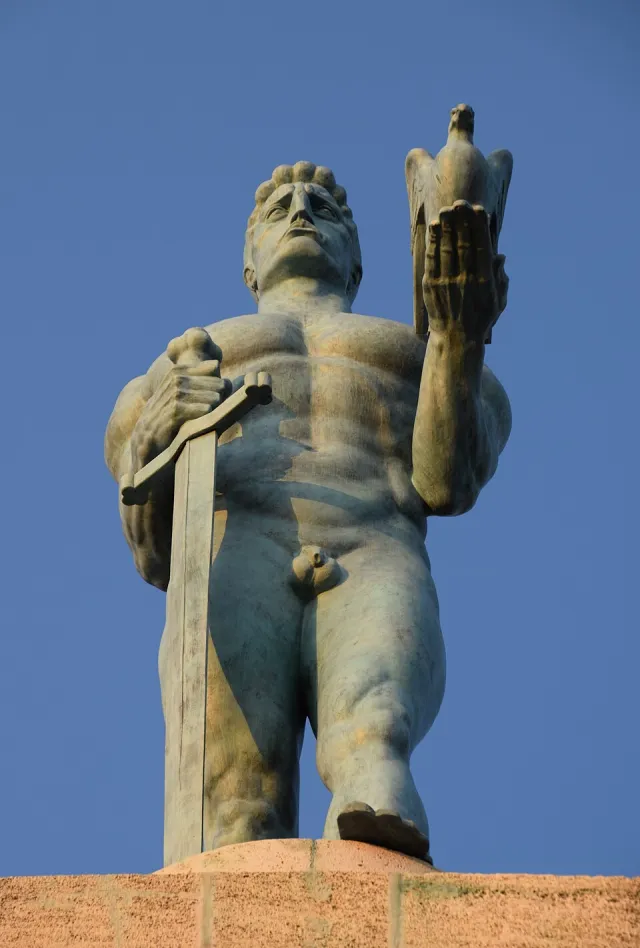
Within the park stand valuable monuments and buildings: the Victor statue, the Roman Well, the churches of Ružica and Saint Paraskeva (Sveta Petka), and the Military Museum. Alongside them, the Belgrade Zoo is located on the grounds of Kalemegdan, which makes this place a favourite destination for families with children too.