History
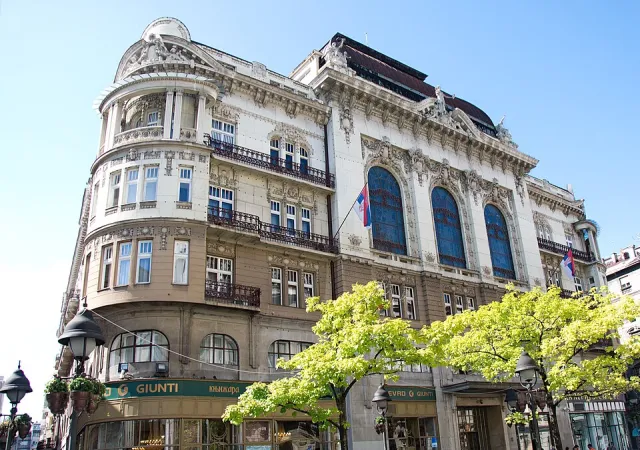
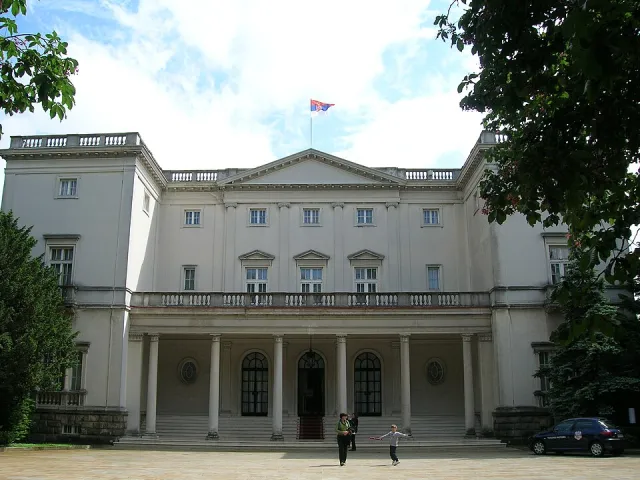
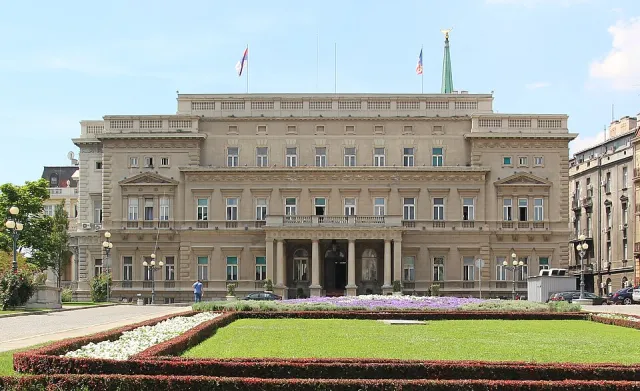
The Old Palace was built by King Milan Obrenović between 1881 and 1884, to a design by the architect Aleksandar Bugarski, as a grand royal residence. It later became home to King Petar I Karađorđević, who lived and reigned here from 1903 to 1921, and King Aleksandar I, from 1921 to 1922, so the building bears witness to the transition between two Serbian dynasties, the Obrenović and the Karađorđević.
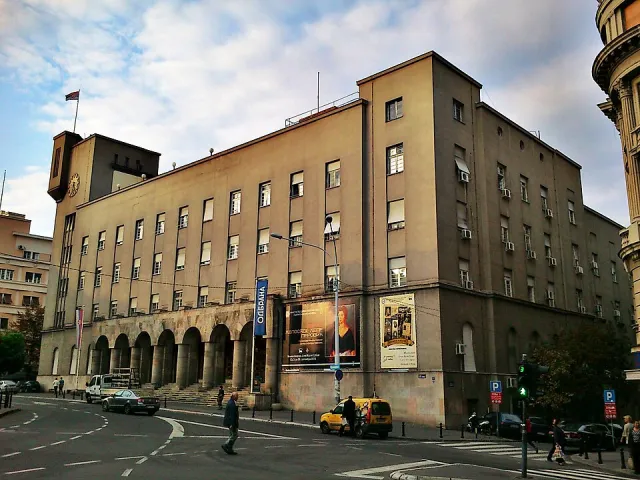
During the bombing of Belgrade on 6 April 1941, the palace was severely damaged. Its restoration followed after the war, between 1947 and 1949, when the architect Dragiša Brašovan gave the building an entirely new design for its entrance section.
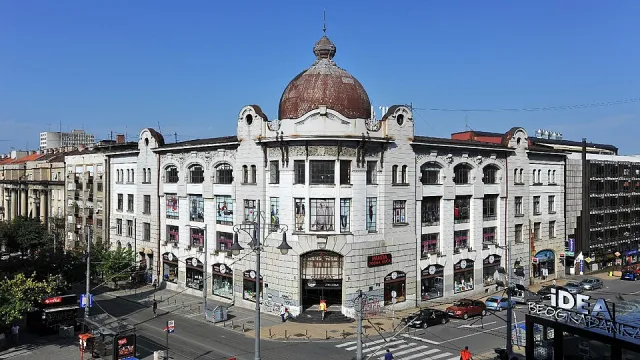
One intriguing symbolic detail sits atop the corner dome: a double-headed eagle in flight, which once crowned the top of the dome, was removed during the communist period and replaced with a five-pointed star. The gilded sculpture of the double-headed eagle was returned to its place only in 1997.
Architecture and significance
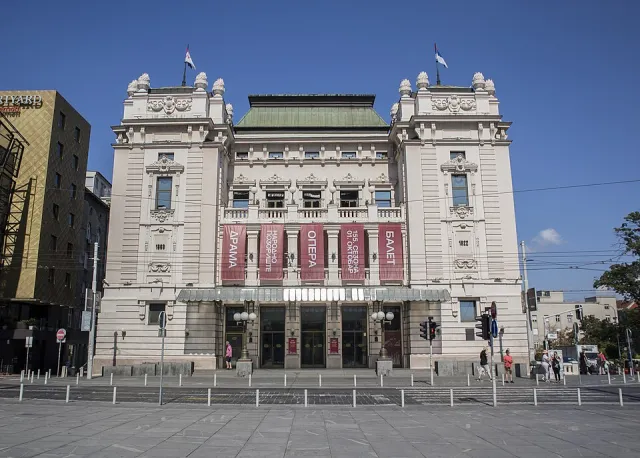
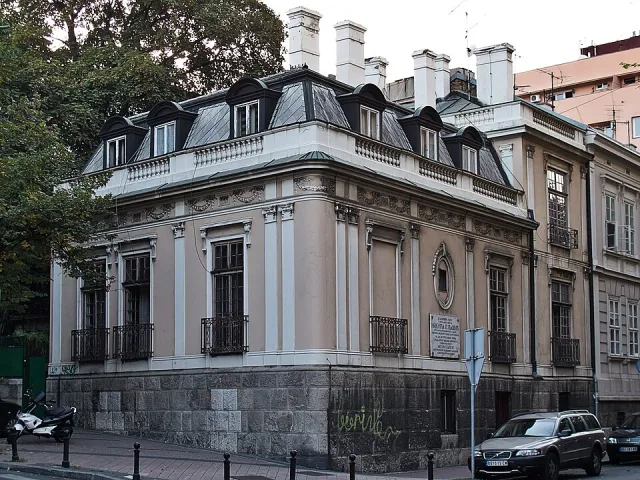
The building was conceived in the spirit of Academism, with decoration blending classical, Renaissance and Baroque motifs, giving it a stately and dignified appearance worthy of a royal residence. It stands at the corner of Kralja Milana Street and Dragoslava Jovanovića Street, while its main entrance faces Bulevar kralja Aleksandra, one of Belgrade's busiest thoroughfares.
Together with the neighbouring New Palace, the Old Palace is the only surviving testimony to Serbia's first royal palace complex. Owing to its historical and architectural value, it was declared a cultural monument in 1983.
Good to know
Today the Old Palace houses the sessions of the Belgrade City Assembly, so a building that was once a royal residence now serves as the centre of the city's government. Passing by it in the very heart of the city, it is easy to notice its ornate façade and the dome topped with the double-headed eagle, a quiet reminder of Belgrade's dynastic past.