History
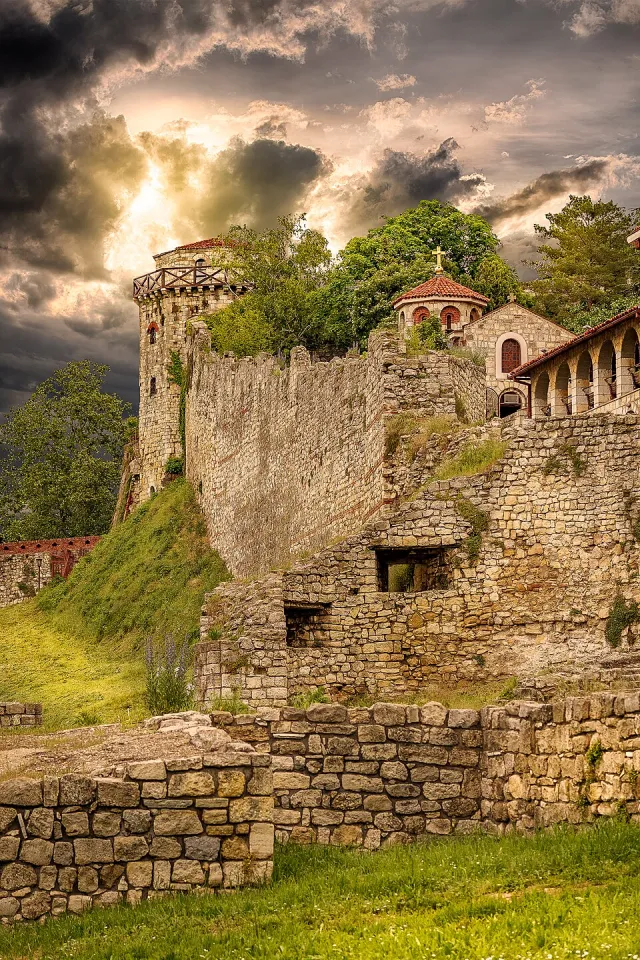
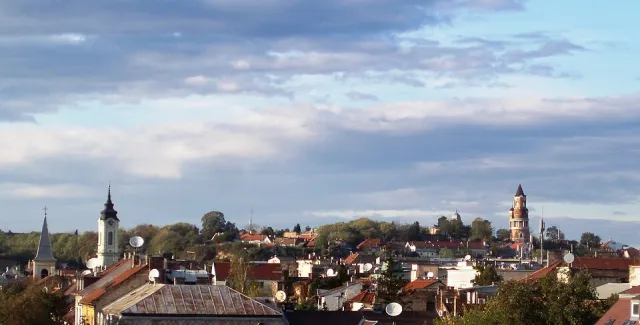
The tower on Gardoš was built in 1896, the year Austria-Hungary marked the millennium of the Magyars' arrival in Pannonia. It was only one of four nearly identical towers that the Hungarian authorities of the time erected at the outermost points of the state to commemorate the jubilee, and the Zemun tower has remained the best preserved of them. Gardoš hill above the Danube was chosen for the construction, a spot where the ruins of an old 9th-century fortress had stood centuries earlier, so the new tower carried on the long tradition of a defensive position on the same rise.
Although it officially bore the name Millennium Tower, a quite different name took hold among the locals - the Sibinjanin Janko Tower. People named it after the Serbian rendering of the Hungarian general János Hunyadi, even though the building itself has no direct historical connection to him. Today all three names - Gardoš, Millennium Tower and Sibinjanin Janko - are used almost interchangeably, depending on whether the speaker is talking about the hill, the jubilee or the folk legend.
Architecture and significance
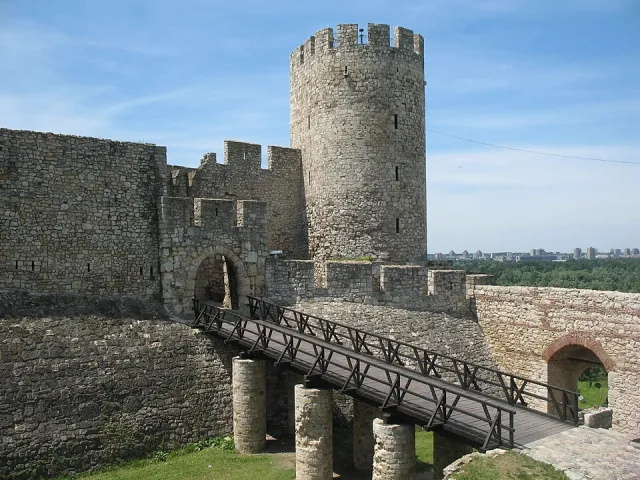
The tower was designed by Hungarian architects in an eclectic spirit, drawing clearly on Romanesque architectural elements - massive forms, round arches and stone texture. It stands 36 metres tall and is built from a combination of stone and brick, which gives it the impression of a solid, almost fortified structure, even though it never had a genuine military role like the old fortresses that once stood on the same spot.
Today the tower is protected as a cultural and historical monument and is one of the more recognisable landmarks of Zemun. It houses a gallery and an artist's studio, and part of the space is devoted to an exhibition about Milutin Milanković, the renowned Serbian scientist. Its top offers a lookout with views of the Danube and the panorama of Zemun, which is why the tower today is above all a tourist attraction rather than the defensive structure it was once meant to be.