History
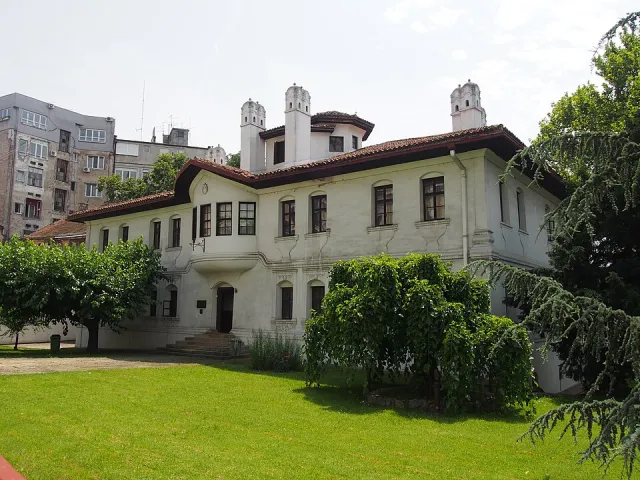
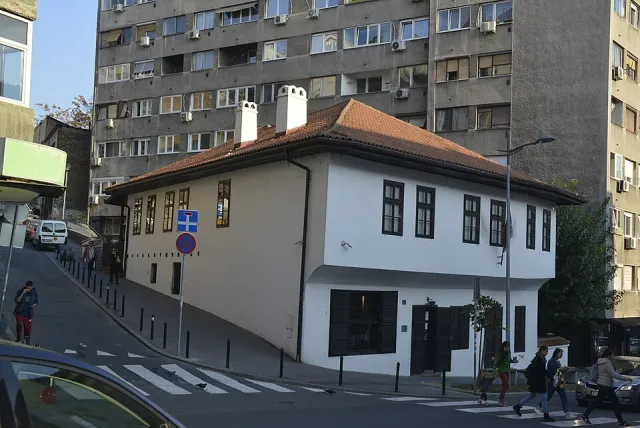
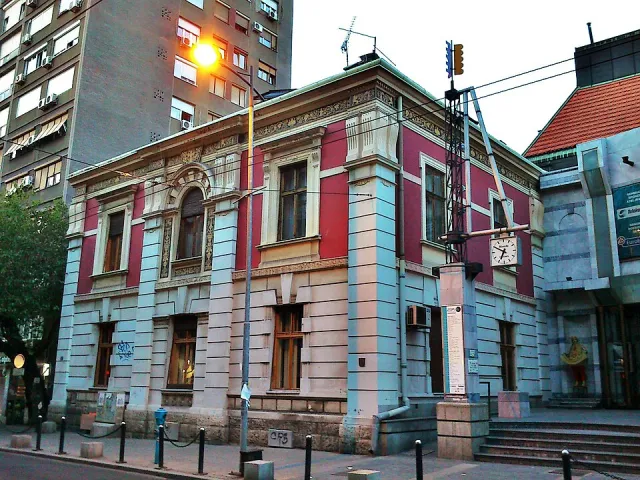
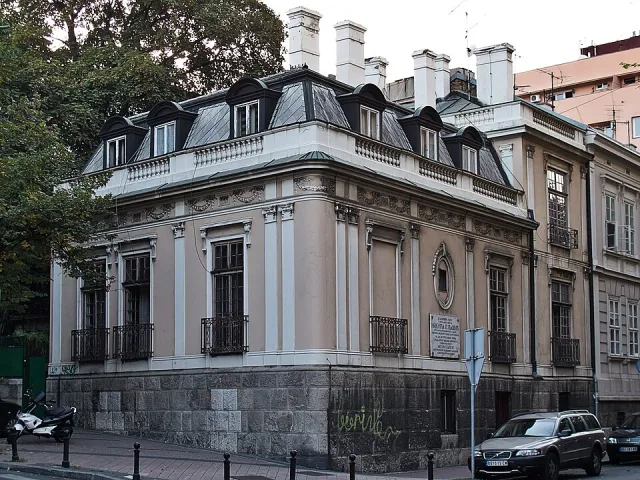
The house was built around 1872 as a corner building with a basement, ground floor and mansard, on the estate of the brothers Nikola and Kosta Džanga. After their deaths, the building was bought in 1893 by Nikola Pašić at a public auction organised by the police of the Dorćol district.
Pašić moved into the house immediately after a thorough renovation that same year, 1893, and spent the rest of his life there, until his death in 1926. Between the two world wars, more precisely in 1921 and 1922, the house was further restored and adapted to the needs of its then owner.
Architecture and significance
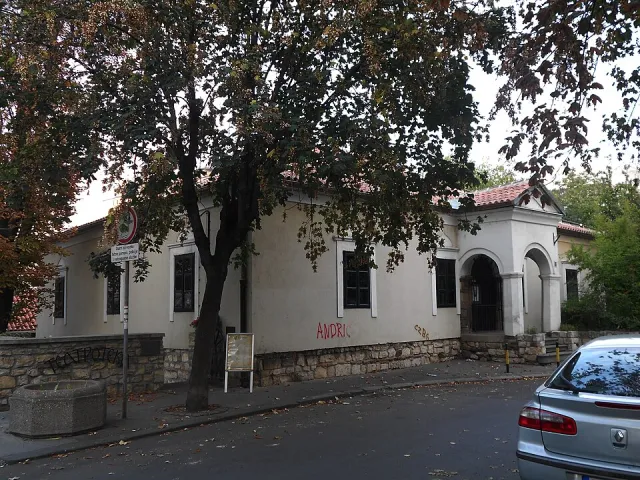
This is a corner townhouse combining a basement, ground floor and mansard, typical of the residential architecture of Dorćol from the end of the 19th century. The value of the building lies not only in its exterior appearance, but also in its position within the city's fabric and in the interior that bears witness to the life of one of the most important figures in Serbian politics.
Today the house holds the status of a protected cultural monument, precisely because of its long-standing connection with Nikola Pašić, a long-serving prime minister and one of the most influential statesmen of his time.
Good to know
In 1936 a marble memorial plaque was placed on the facade of the house, recalling that Nikola Pašić lived here.
The building stands on Francuska Street, in the very heart of Dorćol, so it is easy to combine a visit to the house with a stroll through this old Belgrade quarter.