History
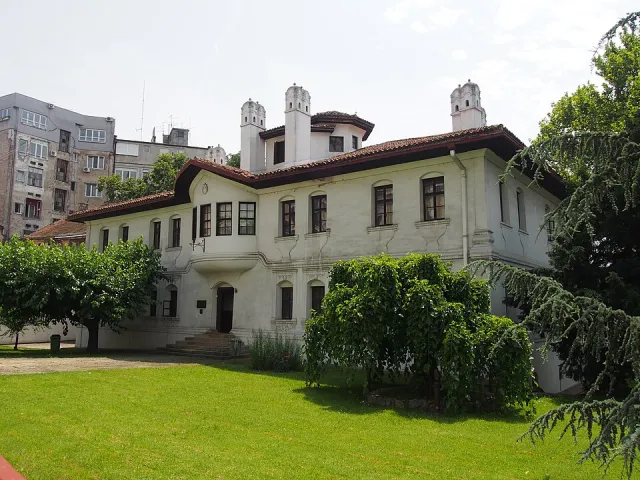
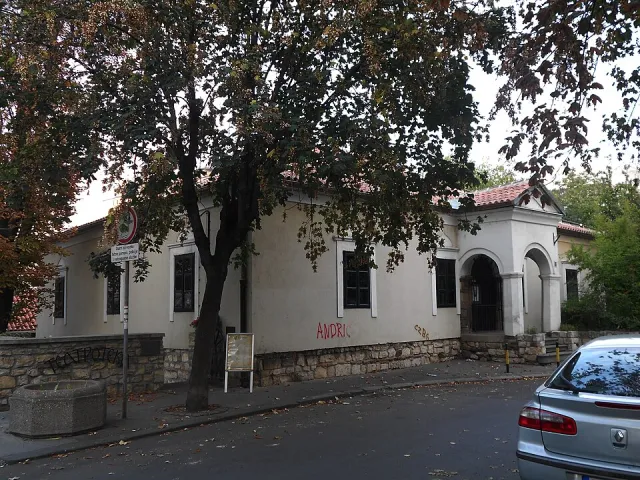
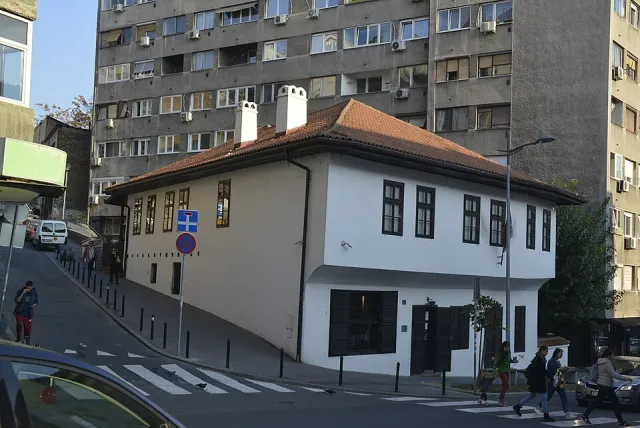
Manak's House stands on the Sava slope, in the former Savamala district, which in the early 19th century was, alongside Palilula, one of Belgrade's main suburbs. The exact year of construction was never recorded, but it is believed to have been built around 1830, during the same period as the Residence of Princess Ljubica, so the house bears witness to that early era of Belgrade's renewal following Ottoman rule.
It takes its name from the Greek Manojlo Manak, who bought the house later and ran a bakery and a tavern on the ground floor during the 1870s. Who originally built the house has not been reliably established, but it is known that the so-called inžiliri (master builders) were required to look after it by order of Prince Miloš Obrenović, which speaks to its importance even in that period.
Architecture and significance
The house was built using the timber-frame (bondruk) system, with adobe mixed into mud and a roof covered in curved clay tiles — a construction technique typical of the period. It has a cellar, ground floor, mezzanine, and upper floor, and its layered arrangement of spaces offers a fine picture of what residential architecture in 19th-century Belgrade looked like.
Today Manak's House is protected as a cultural monument of great significance and represents one of the rare surviving examples of old Belgrade residential building on the Sava slope.
Good to know
The house now holds a museum of folk arts and crafts, part of the Ethnographic Museum, with a rich ethnographic collection of folk costumes and objects tied to traditional customs. If you are curious about how people lived and dressed in these lands two centuries ago, this is a place worth visiting as part of a stroll through the old part of the city.